ADVERTISEMENT
How the Brain Fills in the Gaps
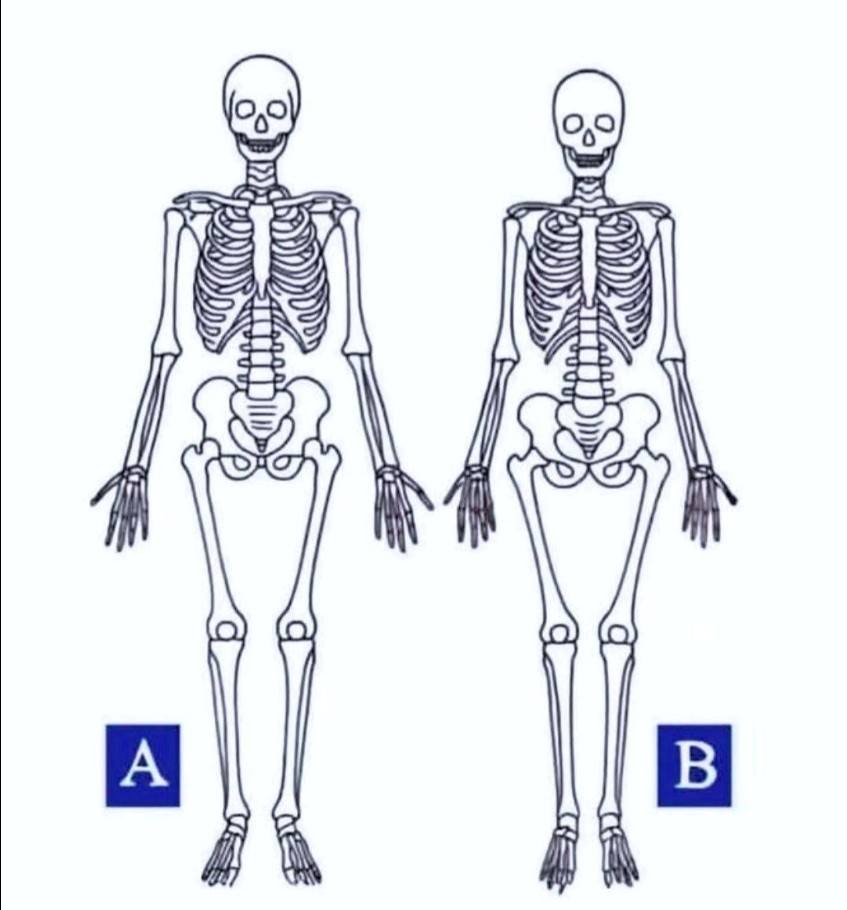
But in puzzles like this, those signals are often intentionally ambiguous or misleading.
That’s what makes it feel tricky.
Why These Puzzles Go Viral
- Spark curiosity
- Invite debate (“I thought it was the other one!”)
- Challenge assumptions
- Feel like a test of observation skills
But the “correct answer” is often less important than the reaction it creates.
The Bigger Takeaway
Instead of asking, “Which one is a woman?” a more meaningful question might be:
That shift turns the puzzle into something more interesting—an exploration of how perception works and how quickly we form conclusions based on limited information.
ADVERTISEMENT
