ADVERTISEMENT
Genetics
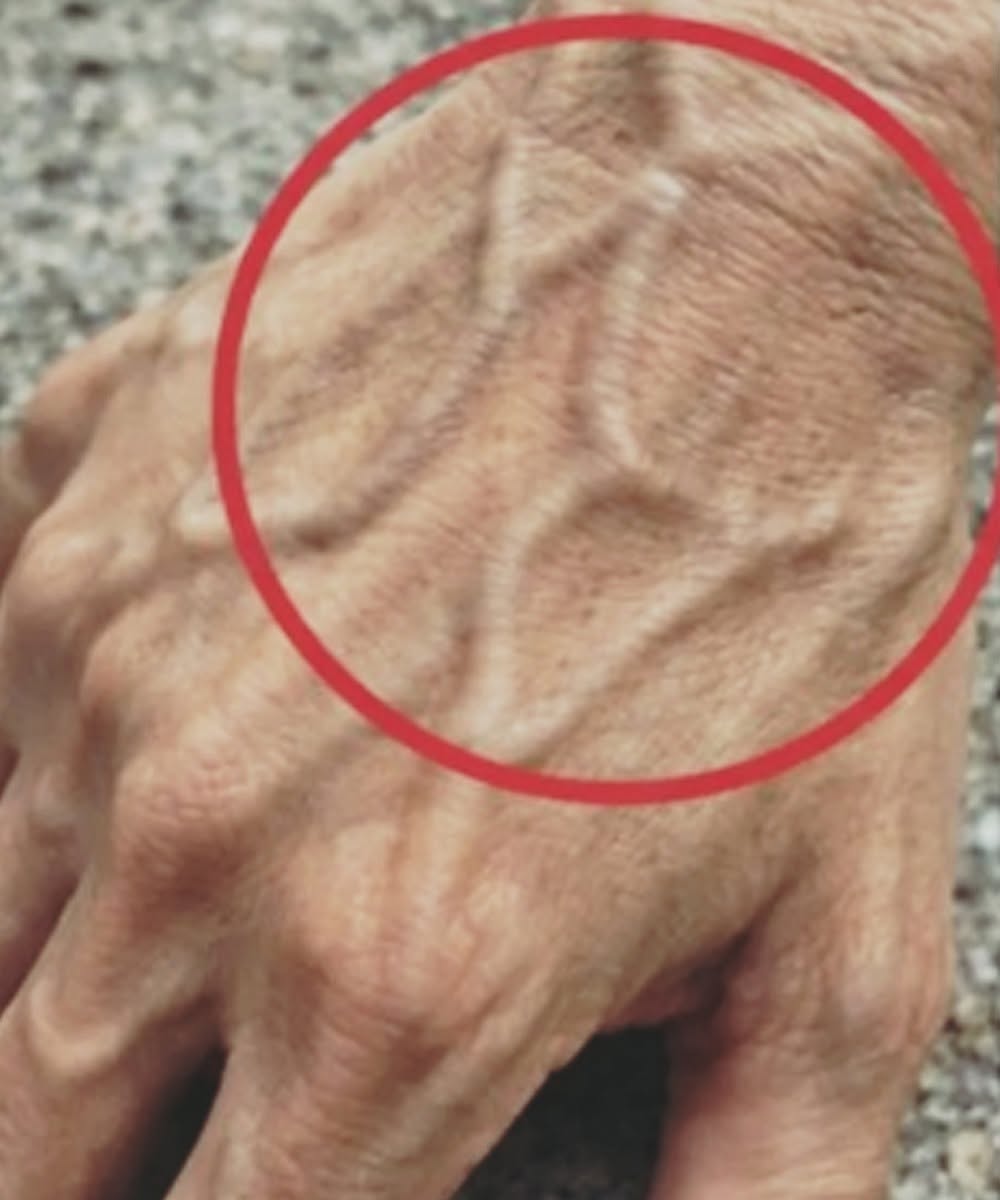
Sometimes visible veins simply run in the family. Certain individuals inherit thinner skin, more superficial veins, or body characteristics that make veins easier to see.
Warm Temperatures
Hot weather can cause veins to expand as the body works to regulate temperature. This temporary widening of blood vessels may make veins appear larger and more noticeable.
Once body temperature returns to normal, vein visibility often decreases.
Common Signs:
- Increased visibility during hot weather
- Temporary changes
- No associated pain or discomfort
When Visible Veins May Signal a Problem
Varicose Veins
Varicose veins occur when vein valves weaken, allowing blood to pool. These veins often appear enlarged, twisted, or bulging beneath the skin.
Possible symptoms include:
- Leg heaviness
- Swelling
- Aching or discomfort
- Itching around the veins
Sudden Changes
Warning signs include:
- Persistent swelling
- Redness or warmth
- Pain along a vein
- Skin discoloration
Can Lifestyle Affect Vein Health?
Helpful habits include:
- Regular physical activity
- Staying hydrated
- Maintaining a healthy weight
- Avoiding prolonged sitting or standing
- Elevating the legs when needed
The Bottom Line
Visible veins are often a normal part of the body’s structure and can result from factors such as genetics, aging, exercise, or low body fat levels. In many cases, they are simply a sign of how your body is built rather than a cause for concern.
However, if visible veins are accompanied by pain, swelling, discoloration, or sudden changes in appearance, seeking medical advice is a wise step.
Disclaimer: This article is for informational purposes only and should not be considered medical advice. Consult a qualified healthcare professional for concerns about your health or symptoms.
ADVERTISEMENT
