ADVERTISEMENT
Lives Lost in the Tragedy
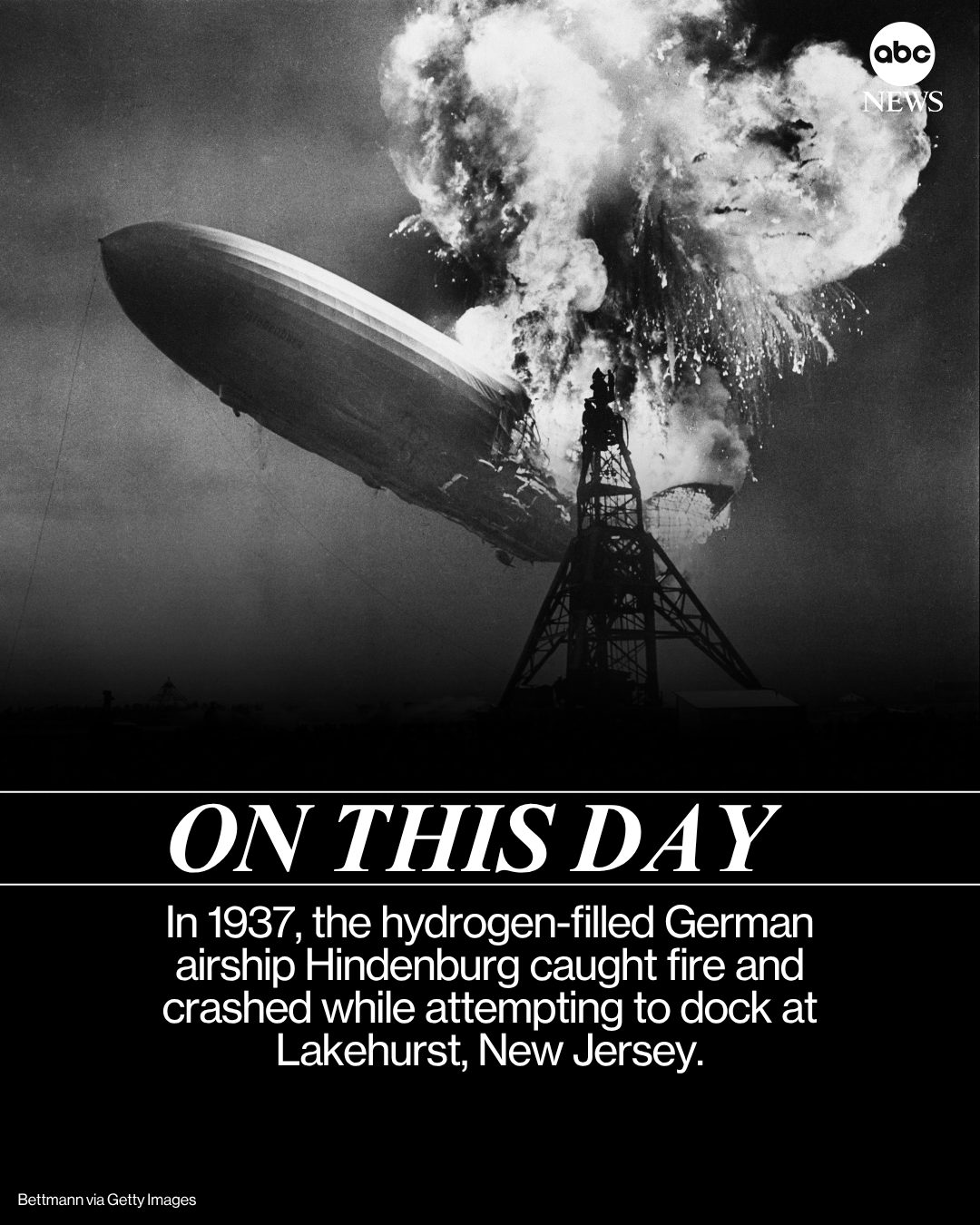
Of the 97 people aboard the Hindenburg, 36 lost their lives, including passengers, crew members, and one ground worker. Many others survived by jumping from the burning aircraft or escaping as it collapsed to the ground.
What Caused the Hindenburg Crash?
The exact cause of the fire remains debated decades later. Most historians and investigators believe a hydrogen leak combined with static electricity or another ignition source triggered the explosion.
At the time, the Hindenburg used highly flammable hydrogen gas for lift because the safer alternative, helium, was difficult for Germany to obtain due to international restrictions.
End of the Airship Era
Following the disaster, passenger airship travel quickly declined. Advances in airplane technology, combined with safety concerns surrounding dirigibles, led airlines and governments to focus increasingly on fixed-wing aircraft for commercial travel.
The Hindenburg disaster became a defining symbol of technological ambition overshadowed by catastrophic risk.
ADVERTISEMENT
