ADVERTISEMENT

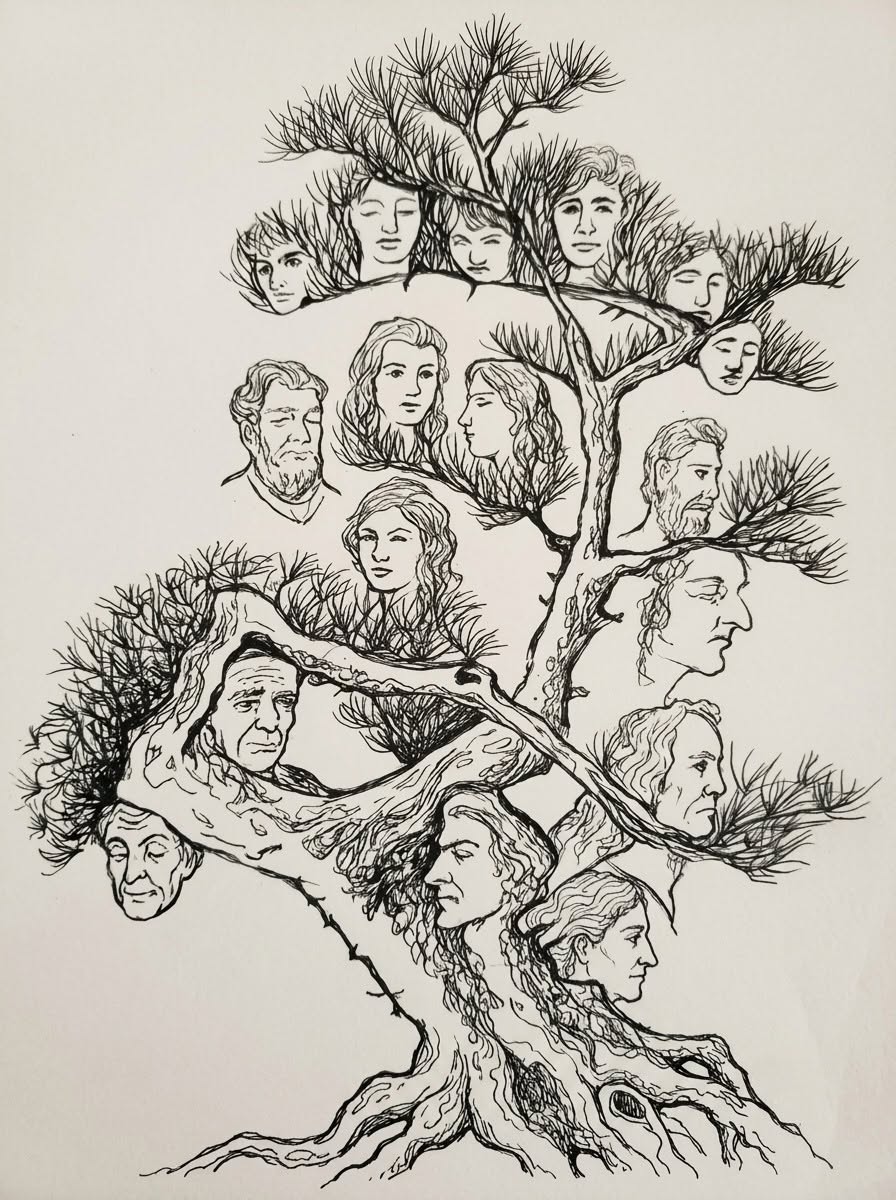
The Tree of Faces—A Hidden Collection of Human Portraits Disguised in Nature That Leaves Viewers Speechless At first glance, it appears to be nothing more than an ordinary tree standing quietly in a natural landscape. Its twisting branches, textured bark, and intricate patterns seem familiar—just another beautiful example of nature’s artistry. But look closer, and a remarkable secret begins to emerge. Hidden within the trunk and branches lies a collection of human faces so cleverly disguised that many viewers miss them entirely on their first attempt. What starts as a simple observation quickly transforms into a fascinating visual challenge, captivating people of all ages and leaving them amazed by what they discover. A Masterpiece of Optical Illusion The “Tree of Faces” is an extraordinary example of how art, nature, and perception can blend together to create something truly unforgettable. Embedded within the tree’s design are numerous human portraits, each seamlessly woven into the natural textures of the wood. Some faces appear prominently, while others are concealed among knots, shadows, and winding branches. The illusion works because the human brain is naturally wired to recognize faces. Known as pareidolia, this psychological phenomenon causes us to see familiar patterns—especially facial features—in random objects and natural formations. The Tree of Faces takes advantage of this tendency, turning an ordinary scene into a complex puzzle that challenges our powers of observation. Why People Can’t Stop Looking One of the most intriguing aspects of the image is that every viewer experiences it differently. Some people instantly spot several faces, while others struggle to find more than a few. As additional portraits emerge, the image becomes increasingly fascinating, encouraging viewers to search for even more hidden details. This interactive quality makes the Tree of Faces more than just a picture—it’s an experience. Friends and family often compare results, turning the challenge into a fun conversation starter. The question quickly becomes: How many faces can you find? The Science Behind Seeing Hidden Faces Experts explain that face recognition is one of the brain’s most powerful visual abilities. Humans can identify facial patterns within fractions of a second, even when those patterns are incomplete or partially obscured. This skill evolved as a survival mechanism, helping our ancestors quickly recognize allies, family members, and potential threats. When viewing the Tree of Faces, the brain constantly scans the image for familiar arrangements of eyes, noses, and mouths. As a result, hidden portraits gradually emerge from the bark and branches, creating moments of surprise and satisfaction. A Test of Observation Skills Visual puzzles like the Tree of Faces are more than simple entertainment. They help sharpen concentration, improve attention to detail, and encourage the brain to process information from different perspectives. Many people enjoy these challenges because they combine creativity with problem-solving, offering a rewarding mental workout. Whether you’re an expert puzzle solver or simply curious, the image invites you to slow down and examine every detail carefully. The more time you spend looking, the more faces seem to appear. Can You Find Them All? The true magic of the Tree of Faces lies in its ability to reveal new discoveries with every glance. What initially appears to be a single tree transforms into a gallery of hidden human portraits, each waiting to be uncovered. So the next time you encounter this remarkable optical illusion, take your time. Study the branches, follow the curves of the bark, and let your eyes wander across the image. You may be surprised by just how many faces have been hiding in plain sight all along. The challenge remains: How many faces can you find before someone else spots more than you?

ADVERTISEMENT

A Test of Observation Skills

Visual puzzles like the Tree of Faces are more than simple entertainment. They help sharpen concentration, improve attention to detail, and encourage the brain to process information from different perspectives. Many people enjoy these challenges because they combine creativity with problem-solving, offering a rewarding mental workout.

Whether you’re an expert puzzle solver or simply curious, the image invites you to slow down and examine every detail carefully. The more time you spend looking, the more faces seem to appear.

ADVERTISEMENT

Leave a Comment

ADVERTISEMENT