ADVERTISEMENT
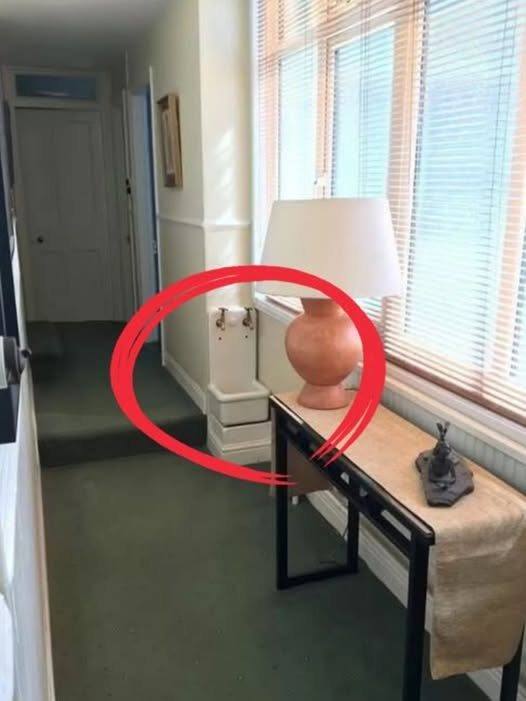
Before modern plumbing became standard in every room, many homes — especially those built in the late 19th and early 20th centuries — were designed with limited indoor bathrooms. In some houses, a single toilet or bathtub served an entire family, while sinks were placed separately to improve convenience and reduce congestion during busy mornings.
The arrangement allowed multiple people to wash up, brush their teeth, shave, or prepare for bed simultaneously without occupying the bathroom itself.
Historians say these hallway washbasins were especially common in working-class homes, boarding houses, farmhouses, and older urban residences where space and plumbing costs were major considerations.
In many cases, the sink acted as a dedicated “wash station” before indoor plumbing systems became more advanced and affordable. Earlier generations often prioritized basic hygiene access over the private, all-in-one bathrooms modern homeowners expect today.
Some hallway sinks also served practical medical purposes. During periods when infectious diseases such as tuberculosis and influenza spread rapidly, separating handwashing areas from shared bathrooms helped encourage cleanliness and reduce contamination within crowded households.
Architectural experts note that many hallway sinks were later removed during renovations as homeowners modernized floor plans and expanded bathrooms. However, thousands still remain across North America and Europe, often becoming quirky conversation pieces during home tours or online real estate listings.
ADVERTISEMENT
