ADVERTISEMENT
When Drooling Becomes a Warning Sign
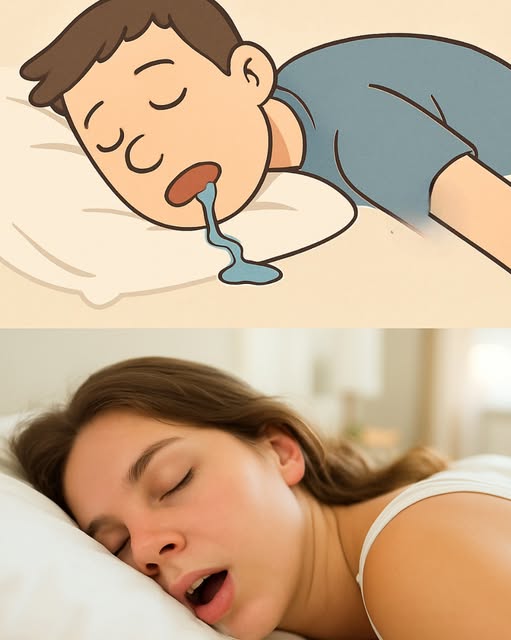
Conditions involving nerve or muscle function may interfere with the body’s ability to manage saliva properly. If drooling appears alongside symptoms like difficulty swallowing, speech problems, or daytime fatigue, medical evaluation may be important.
Simple Lifestyle Changes May Help
For many people, improving sleep habits can reduce nighttime drooling significantly. Experts often recommend:
- Sleeping on your back
- Staying hydrated
- Treating allergies or congestion
- Improving sleep quality
- Using supportive pillows to improve head position
Don’t Ignore Persistent Symptoms
Health professionals say it’s important to pay attention to changes in your body — even small ones that seem unimportant at first. Persistent drooling combined with poor sleep, loud snoring, or daytime exhaustion may deserve further attention.
While most cases are harmless, recurring symptoms can sometimes reveal issues that would otherwise go unnoticed.
