ADVERTISEMENT
The role of the Supreme Court in the background
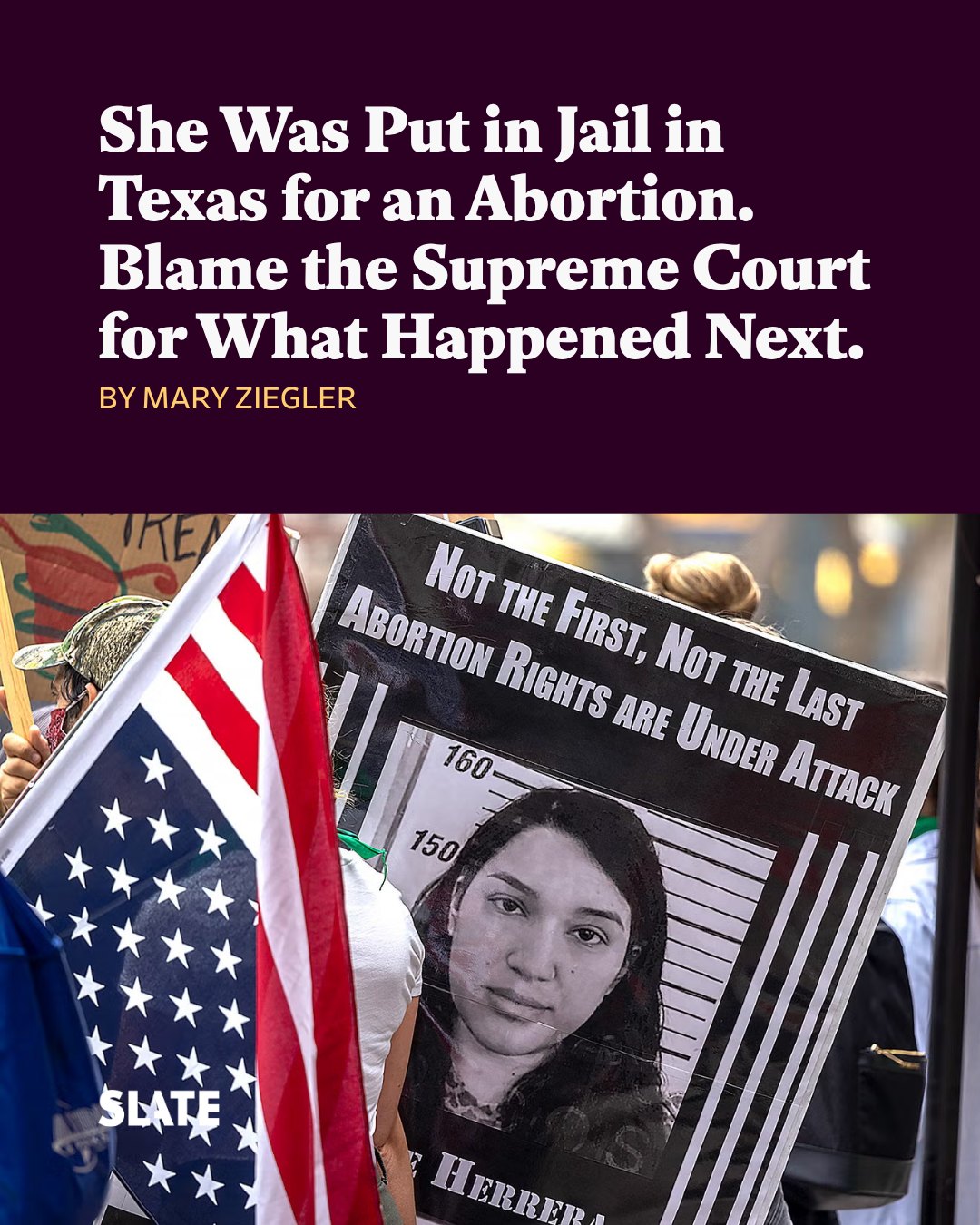
Supporters of the decision argue that it restored democratic control to individual states, allowing voters and legislatures to set their own policies. Critics counter that it effectively removed a nationwide standard of reproductive rights, leading to a patchwork system where access and legal risk vary dramatically depending on geography.
In that sense, the Court’s role is indirect but foundational: by removing federal protections, it created the conditions under which state-level criminalization efforts could expand.
A divided public response
This divide reflects a broader national reality: abortion is no longer just a medical or moral issue, but a legal one deeply embedded in federalism, constitutional interpretation, and criminal justice policy.
A system still in flux
What cases like this ultimately highlight is not only the intensity of state abortion enforcement, but also the instability of the current legal framework. Courts continue to interpret new laws, legislatures continue to refine restrictions, and patients continue to navigate uncertainty about what the law allows.
ADVERTISEMENT
