ADVERTISEMENT
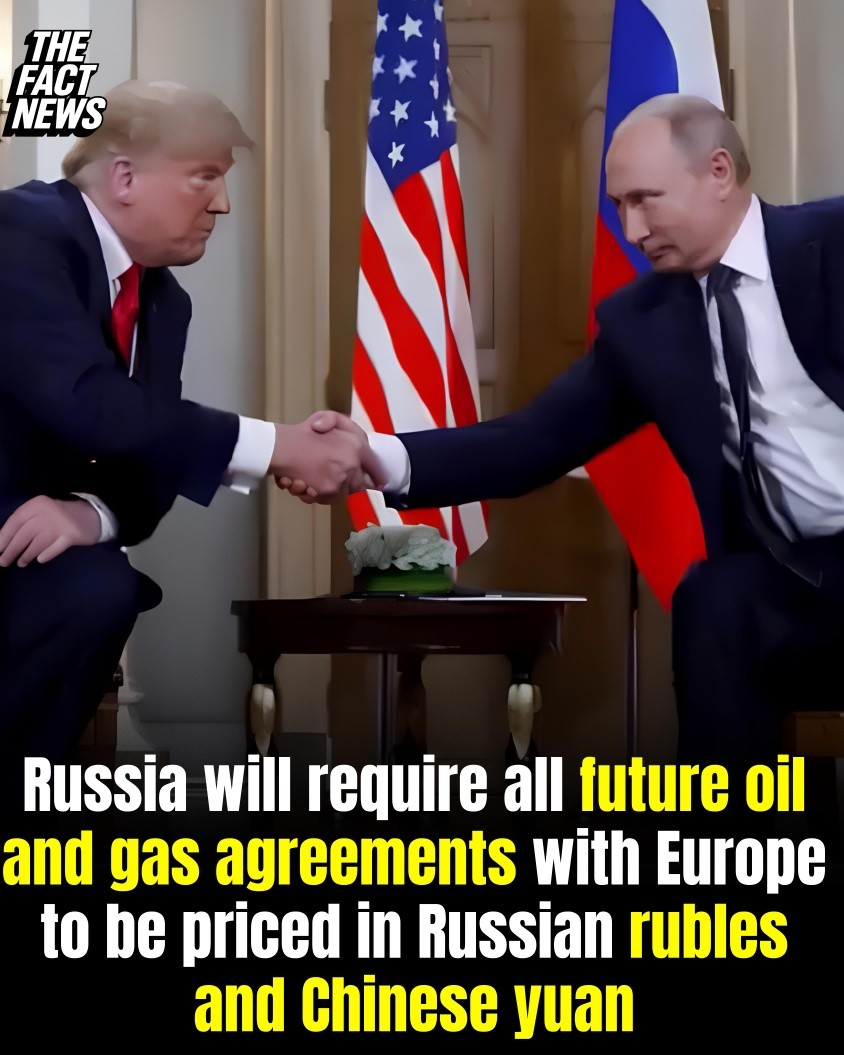
The announcement immediately sparked concern among European energy markets, where businesses and policymakers are already grappling with supply diversification, price volatility, and long-term energy security challenges. Economists warn the currency shift could complicate payment systems, increase exchange-rate risks, and create additional regulatory hurdles for European importers.
Critics, however, say forcing alternative currency settlements may discourage some European buyers and accelerate efforts to secure energy supplies from other regions. Several European nations have already reduced dependence on Russian energy imports in recent years following political and economic disputes.
Global markets reacted cautiously to the announcement, with analysts closely monitoring potential impacts on currency markets, energy pricing benchmarks, and international trade flows. Some experts believe the move could contribute to a gradual fragmentation of the global financial system into competing currency blocs.
ADVERTISEMENT
