ADVERTISEMENT
Keep expectations realistic: pistachio shells are not a significant fertilizer and won’t provide large amounts of nutrients, but they can support healthy soil as they break down.
A light layer of coarse shell powder around flowers, shrubs, and ornamental plants can serve as part of an organic mulch. It may help reduce soil crusting and, when combined with other mulching materials like shredded leaves or wood chips, can contribute to moisture retention.
Avoid creating a thick layer of shell powder alone, as very fine materials can sometimes compact.
Raised garden beds benefit from organic matter that improves soil texture. Mix shell powder into the top few inches of soil or blend it into compost before adding it to your beds.
5. Use in Potted Plants
Tips for Best Results
Always rinse salted shells thoroughly before using them.
Grind shells into small pieces to speed decomposition.
Mix shell powder with compost or soil instead of using it as the only amendment.
Store dry shell powder in a sealed container until you’re ready to use it.
Combine with other organic materials for the greatest benefit to soil health.
What to Avoid
Don’t use shells that are heavily salted without washing them first, as excess salt can harm many plants.
Don’t expect pistachio shell powder to replace a balanced fertilizer. It contributes organic matter but is not a concentrated source of plant nutrients.
Avoid applying thick layers of very fine powder directly on the soil surface, where it may form a dense layer.
Frequently Asked Questions
How long does pistachio shell powder take to break down?
Can I compost whole pistachio shells instead?
Are salted pistachio shells safe for gardens?
They can be, provided you rinse and soak them thoroughly to remove as much salt as possible before adding them to compost or soil.
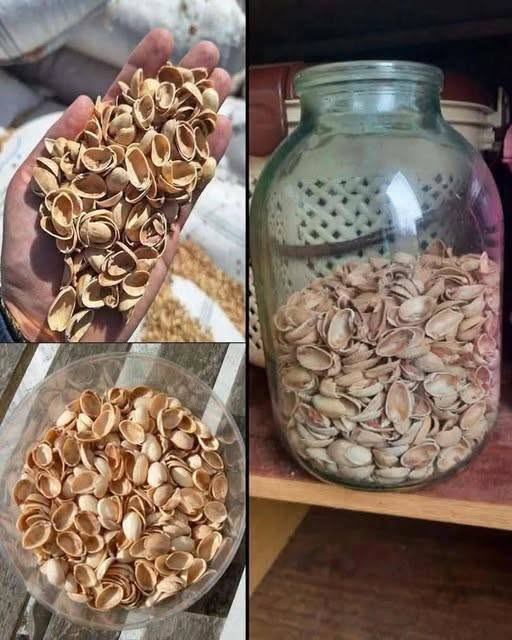
Reusing pistachio shells is an easy way to reduce kitchen waste while supporting a more sustainable garden. By cleaning, drying, and grinding the shells into powder, you can create a useful addition to compost piles, garden beds, and potting mixes.
ADVERTISEMENT
