ADVERTISEMENT
Economic and Political Fallout
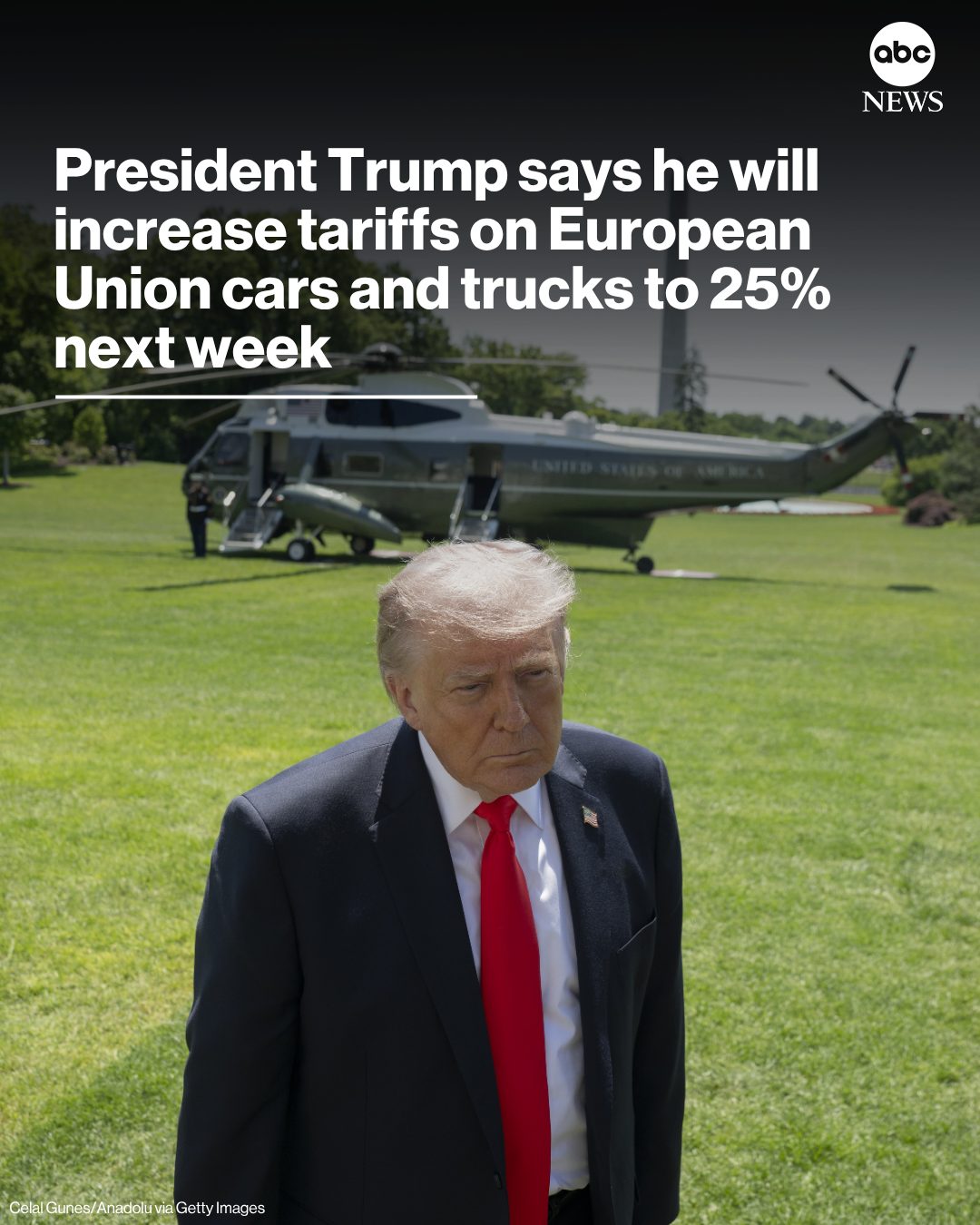
Trade experts warn that the EU is unlikely to let the move go unanswered. Retaliatory tariffs on American goods—from agriculture to manufacturing—are a likely response, which could deepen economic friction between the two major trading partners.
What It Means for Consumers
For American consumers, the impact may show up in higher prices at dealerships. Imported vehicles and even some domestically assembled cars that rely on European parts could become more expensive.
Meanwhile, European consumers could also feel the effects if the EU responds with countermeasures, potentially raising prices on American-made goods abroad.
Unanswered Questions
Market watchers will be looking for signals from both Washington and Brussels in the coming days, as well as any indication that the tariff increase could be delayed, softened, or expanded further.
ADVERTISEMENT
