ADVERTISEMENT
The Challenge of Animal Care
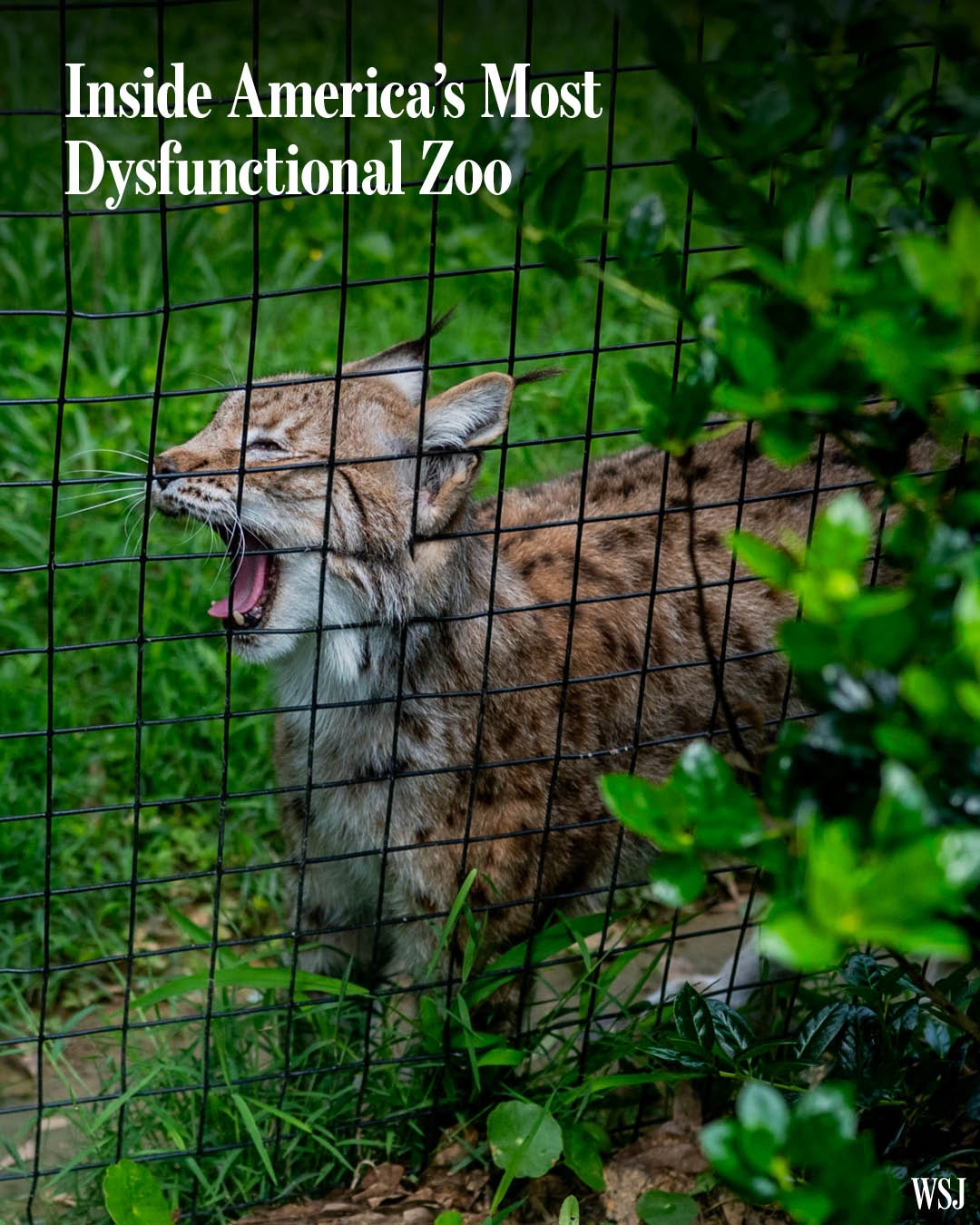
For any zoo, animal welfare is the highest priority.
However, inconsistent leadership made their jobs harder.
Maintenance projects were delayed.
Exhibit improvements frequently stalled before completion.
None of these issues necessarily reflected a lack of commitment from frontline staff.
Public Perception Changes
For years, visitors remained largely unaware of internal struggles.
School groups scheduled field trips.
Eventually, however, signs became difficult to ignore.
Closed exhibits increased.
Online reviews began mentioning concerns about organization and upkeep.
The zoo’s reputation started to shift.
The Leadership Question
Running a modern zoo requires balancing multiple priorities:
- Animal welfare
- Financial sustainability
- Staff management
- Public engagement
- Regulatory compliance
- Conservation initiatives
Without those elements, even well-intentioned organizations can struggle.
A Turning Point
As challenges mounted, community leaders and stakeholders began discussing solutions.
Some advocated for major restructuring.
Others called for new leadership.
Many emphasized the importance of transparency and accountability.
The goal wasn’t simply to preserve the zoo.
It was to restore confidence in its mission.
Why Stories Like This Matter
Zoos occupy a unique place in society.
They are educational institutions, conservation centers, tourist attractions, and animal-care facilities all at once.
When they function effectively, they can inspire curiosity, support research, and contribute to species preservation.
When they struggle, the consequences affect not only visitors and employees but also the animals that depend on them.
That is why organizational health matters so much.
Lessons Beyond the Zoo
The story of a dysfunctional zoo is ultimately about more than animals or exhibits.
It reflects challenges that can emerge in any organization.
Poor communication.
Unclear leadership.
Resource constraints.
Resistance to change.
These problems are not unique to zoos.
They can affect businesses, schools, nonprofits, and public institutions alike.
The difference lies in how organizations respond.
Final Thoughts
From the outside, America’s “most dysfunctional zoo” appeared to be just another family attraction.
Inside, however, years of operational challenges revealed how difficult it can be to balance ambition, responsibility, and limited resources.
Yet dysfunction does not have to define an organization’s future.
With strong leadership, transparency, and a commitment to improvement, even troubled institutions can rebuild trust and move forward.
Because in the end, the most important measure of any zoo is not the size of its exhibits or the number of its visitors.
ADVERTISEMENT
