ADVERTISEMENT
4. Bamboo
If you grow bamboo, keep the area clean and well maintained.
5. Large Hostas
Hostas thrive in shady, moist locations. Their broad leaves create cool hiding spots that snakes may use during warm weather.
6. Heavy Mulch Around Plants
While mulch isn’t a plant, it’s commonly used around flower beds. Thick layers of wood mulch retain moisture and provide cool hiding places for insects and small animals, creating an environment that snakes may find attractive.
A thinner layer of mulch is often sufficient for healthy plants while limiting shelter.
Landscaping Habits That May Increase Snake Activity
- Allowing grass to grow too tall
- Leaving piles of leaves or brush untouched
- Storing firewood directly on the ground
- Allowing rodent populations to grow
- Keeping birdseed scattered beneath feeders
- Leaving pet food outdoors overnight
These conditions attract prey animals, which may then attract snakes.
How to Make Your Yard Less Attractive to Snakes
- Mow the lawn regularly.
- Trim shrubs and ornamental grasses.
- Remove brush piles and yard debris.
- Store firewood at least several inches off the ground.
- Seal gaps around sheds, garages, and foundations.
- Control rodents around your property.
- Keep bird feeder areas clean.
- Reduce excessive ground cover in high-traffic areas.
These practices also improve overall yard health and reduce hiding places for many unwanted pests.
Should You Remove These Plants?
With regular pruning, lawn care, and good garden hygiene, you can continue enjoying your favorite plants while making your yard less attractive to snakes.
Final Thoughts
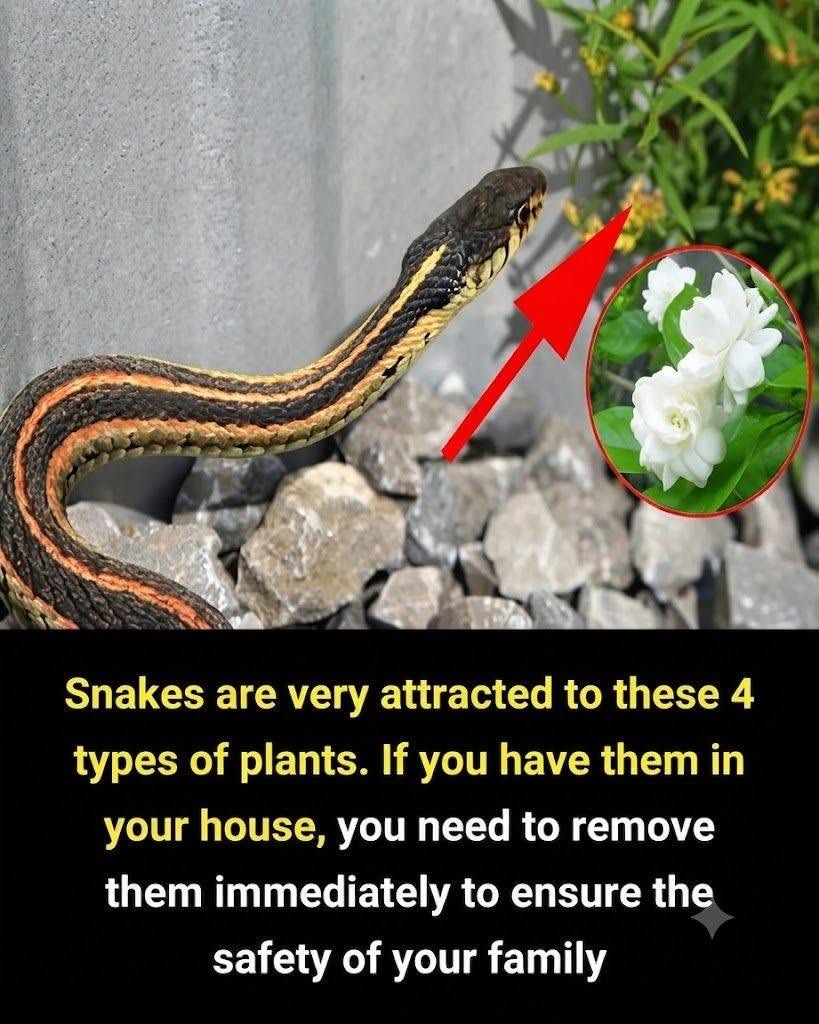
No plant directly attracts snakes like flowers attract bees. Instead, snakes respond to the environment that landscaping creates. Dense vegetation, abundant prey, shade, and moisture all contribute to habitats where snakes feel secure.
ADVERTISEMENT
