ADVERTISEMENT
Carefully crack the egg and separate the egg white from the yolk. Place the egg white into a clean bowl.
Whisk the egg white for about 30 to 60 seconds until it becomes slightly frothy. This creates a smoother consistency that’s easier to apply.
Step 3: Cleanse Your Face
Step 4: Apply the First Layer
Use clean fingers or a makeup brush to spread a thin layer of egg white over areas prone to blackheads.
Place thin strips of facial tissue or paper towel over the wet egg white.
Step 6: Allow It to Dry
Step 7: Peel Off Carefully
Starting from the edges, gently peel away the tissue and mask. Rinse any remaining residue with lukewarm water.
How Often Should You Use It?
For most skin types, using an egg white mask once a week is sufficient. Overusing peel-off masks may irritate the skin or disrupt its natural moisture barrier.
Although this DIY treatment is simple, it’s important to use it safely.
Because raw eggs can occasionally contain bacteria such as Salmonella, avoid getting raw egg near your mouth, nose, or eyes, and clean all utensils thoroughly after use.
Tips for Preventing Blackheads
An egg white mask works best as part of a broader skincare routine. To help reduce blackheads:
Wash your face twice daily with a gentle cleanser.
Use products labeled “non-comedogenic.”
Exfoliate gently 1–2 times per week.
Avoid picking or squeezing blackheads.
Remove makeup before going to bed.
Apply sunscreen every morning.
Ingredients like salicylic acid, retinoids, and clay masks generally have stronger evidence for helping manage blackheads than DIY remedies.
Pros and Cons
Pros
Inexpensive and easy to make
Uses readily available ingredients
Leaves skin feeling refreshed
Helps temporarily reduce surface oil
Cons
Limited scientific evidence for blackhead removal
Effects are temporary
May irritate sensitive skin
Raw eggs carry a small risk of bacterial contamination
Not suitable for people with egg allergies
Frequently Asked Questions
Does an egg white mask actually remove blackheads?
It may help lift away loose surface debris and make skin feel smoother, but it does not remove deeply embedded blackheads or prevent new ones from forming.
Can it shrink pores?
No. Pore size is largely determined by genetics. Egg whites may create a temporary tightening sensation that makes pores appear smaller for a short time.
Is it safe for oily skin?
Many people with oily skin tolerate the mask well, but those with sensitive or acne-prone skin should patch test first and discontinue use if irritation occurs.
What should I do after removing the mask?
Rinse your face with lukewarm water, gently pat dry, and apply a fragrance-free moisturizer to restore hydration.
Final Thoughts
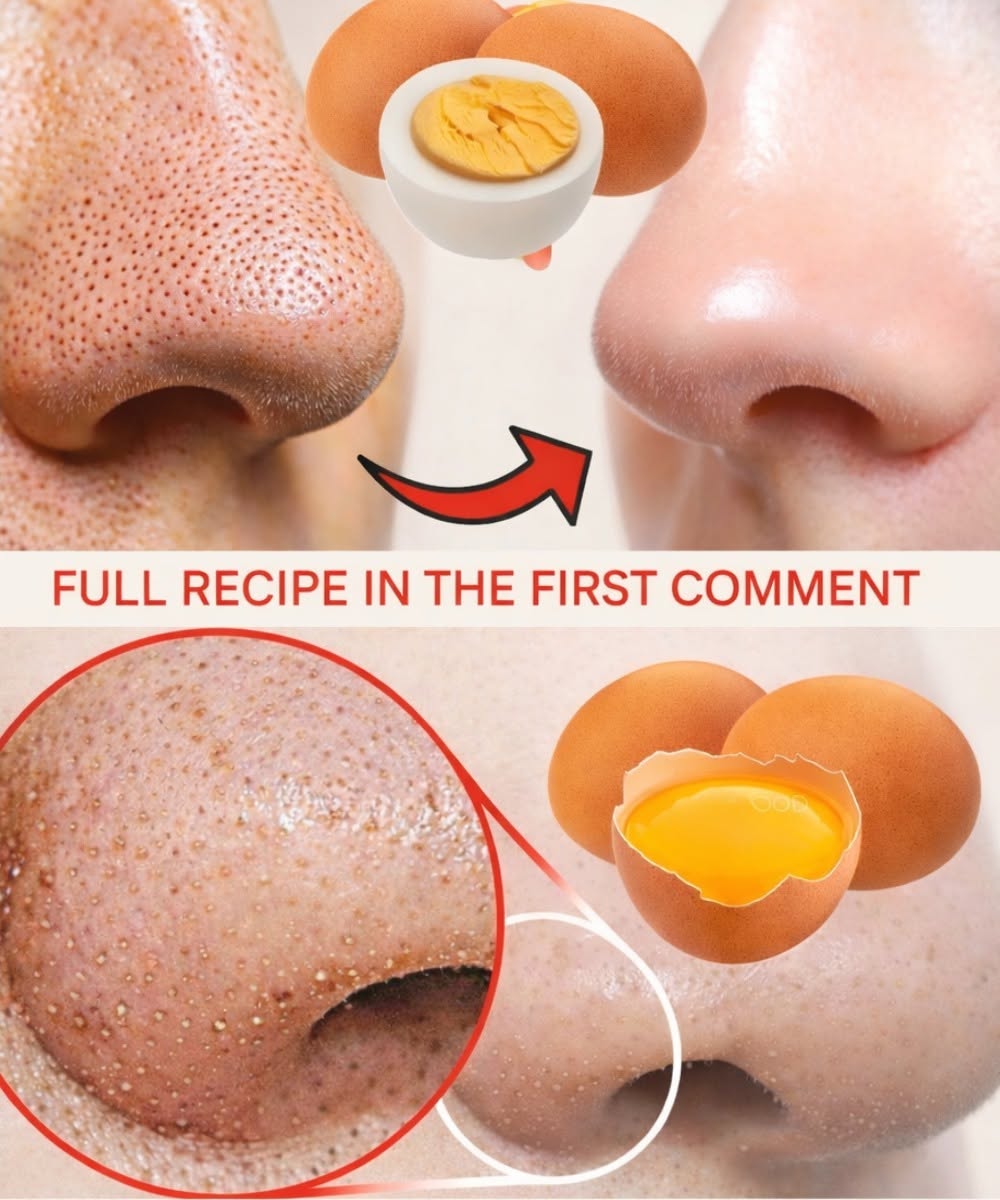
The DIY egg white mask remains a popular home remedy because it’s affordable, easy to prepare, and leaves many people with a temporary feeling of smoother, tighter skin. However, it should not be viewed as a proven treatment for blackheads. If persistent blackheads or acne are a concern, products containing evidence-based ingredients like salicylic acid or retinoids are generally more effective.
ADVERTISEMENT
