ADVERTISEMENT
The Psychology Behind It
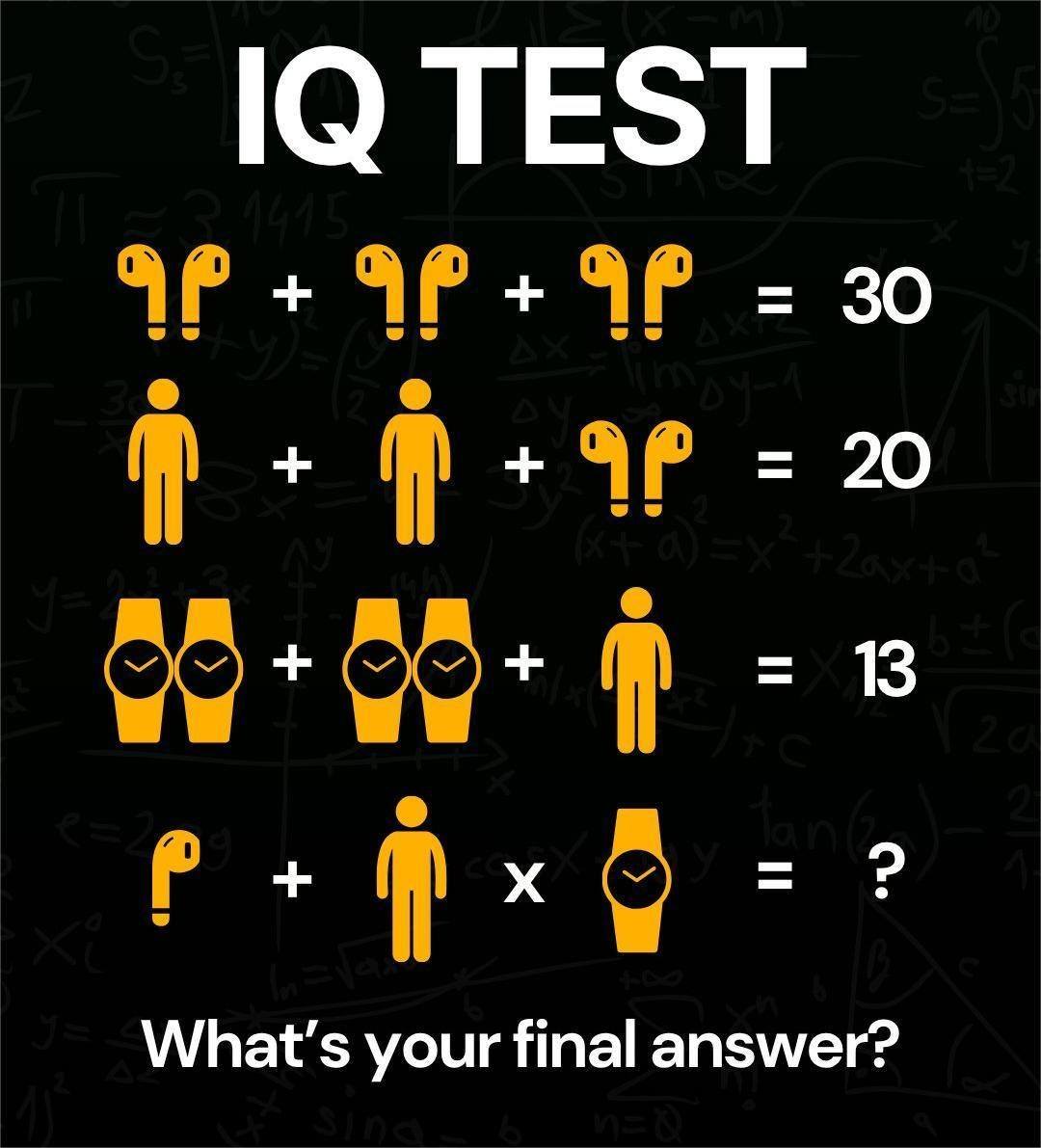
These puzzles often rely on something called cognitive interference—when your brain generates multiple possible answers at the same time.
That internal debate is what causes second-guessing.
In many cases, the first instinct is actually right—but people change it because they assume the puzzle must be harder than it looks.
Why We Love These Challenges
- They’re quick to read
- They feel interactive
- They create a sense of competition (“I got it in one try!”)
- They trigger curiosity and doubt at the same time
It’s less about the puzzle itself and more about the reaction it creates.
ADVERTISEMENT
